Losing weight without losing muscle
Muscle is one of the most valuable things you own as you age. Here's how to protect it while you make changes.
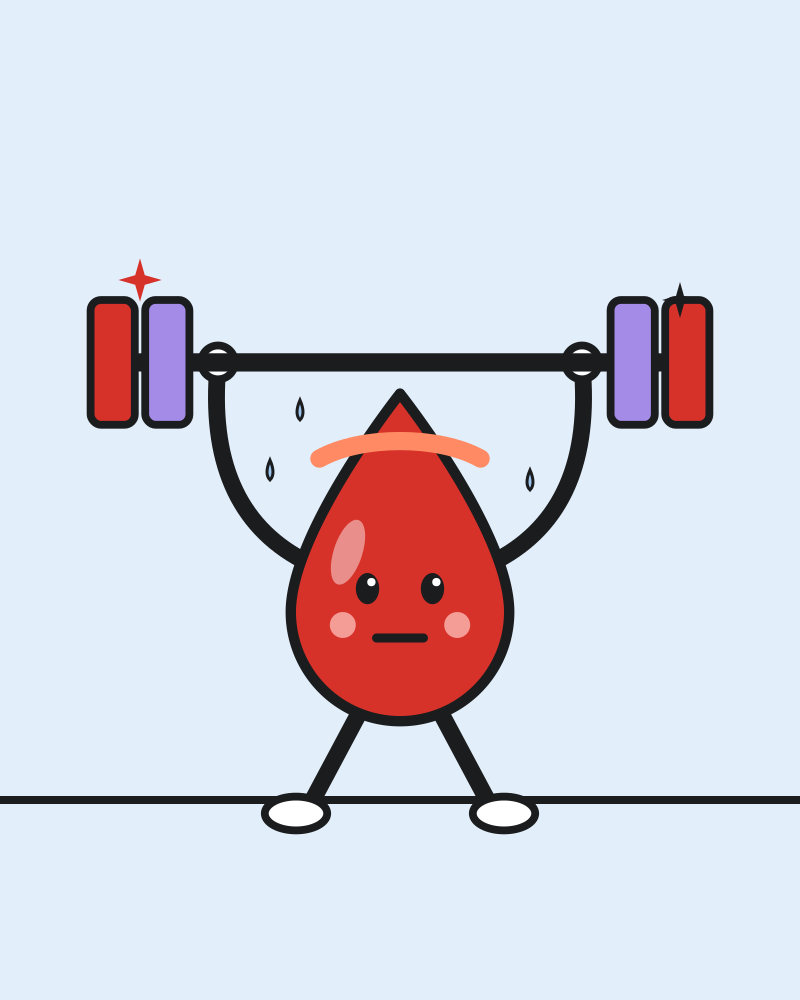
When weight comes off, some of it can be muscle. Strength training and enough protein help make sure most of what you lose is fat.
Why muscle matters
Muscle helps control blood sugar, supports your joints and bones, and keeps you strong and independent as you age. Losing it is easy and rebuilding it takes time.
Weight loss can take muscle with it
Eating less without training can mean losing muscle alongside fat. That can leave you lighter but weaker, and make weight easier to regain.
Train for strength
Two to three sessions a week of resistance training, using weights, bands or your own body, signals your body to hold on to muscle. Start where you are and progress gradually.
Eat enough protein
Spreading protein across your meals gives your muscles the building blocks they need. Your doctor or dietitian can help you set a target that suits your body and health.
Track more than the scales
Waist measurements, strength and how your clothes fit often tell a truer story than weight alone. That is why we track body composition over time.
This guide is general information only and doesn't replace advice from your own doctor. If you have symptoms or concerns, speak to a health professional. In an emergency, call 000.
Related guides
Protein: how much, and when
Most of us eat plenty of protein at dinner and very little at breakfast. Spreading it out can help.
Keeping muscle as you age
From our 40s onwards, muscle slowly declines unless we give it a reason to stay. The good news: it responds at any age.
HbA1c and your blood sugar over time
A single glucose test is a snapshot. HbA1c shows the trend over roughly three months.